Advantage+ and broad match have effectively ended manual audience control. Meta's algorithm decides who sees your ads based on a single signal: how people respond to your creative. The brands winning right now built their ads around a specific buyer psychology. The ones losing are still running product shots and hoping the platform figures it out.
When Meta goes broad, your creative becomes the targeting filter. Generic ads distribute impressions across anyone who might click. Buyer-specific ads concentrate delivery where it counts — on people already motivated to buy.
Meta's Advantage+ optimizes based on conversion signals. Generic creative produces weak signals — clicks from curious people who don't buy. Buyer-specific creative produces clean signals. The algorithm learns, tightens delivery, and each cycle gets cheaper. The brands running generic ads aren't just wasting money today — they're falling further behind every week.
Most Meta accounts treat the funnel like a single channel — one audience, one message, one objective. We build three separate campaign stages with different creative jobs, different audience signals, and different optimization targets. Each stage does its specific work.
Cold buyers can't consider what they've never heard of. The See stage builds reach against your Kingpin segment — the specific buyers whose conversion unlocks growth. Not broad demographics. The right people.
Warm audiences need a reason to prefer you over the alternative. Want-stage creative is built around the specific motivator your buyers are purchasing from — not a generic benefit claim. The message matches the moment.
High-intent buyers need proof and de-risking. Trust-stage creative handles objections, reinforces the decision with social proof, and gives buyers the final push at the moment they're closest to converting.
Based on the See. Want. Trust. Framework — published in The Pantry
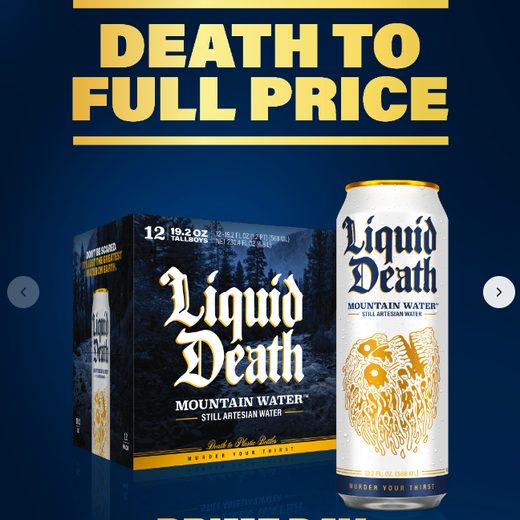
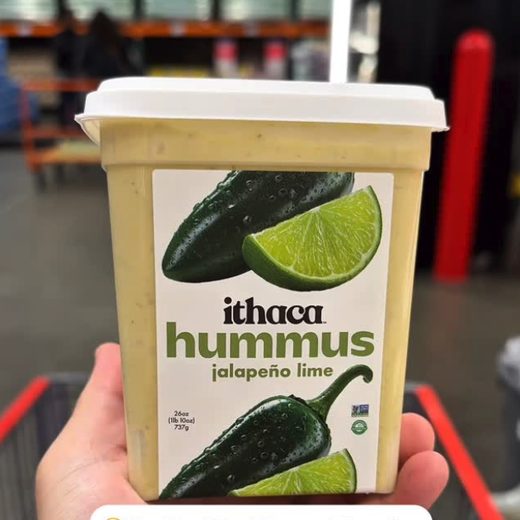
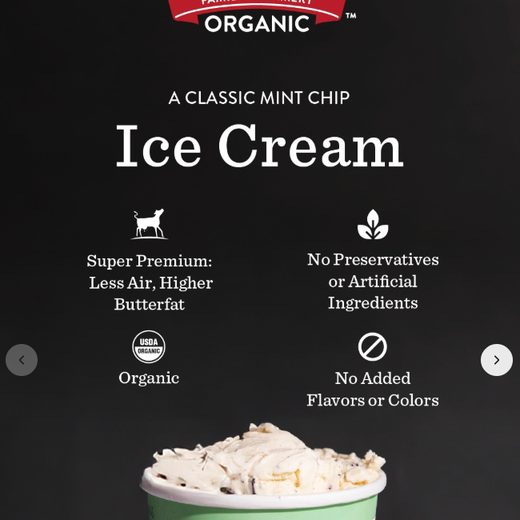
What each stage looks like in the feed
A Schaefer Meta engagement isn't a channel add-on. It's a full management relationship — from campaign architecture to creative strategy to weekly optimization. Everything below is included.
We structure your Meta account around the See. Want. Trust. framework — three campaign stages with distinct objectives, audiences, and creative jobs. Awareness doesn't compete with conversion for the same budget. Each stage does its specific job.
We don't start with Meta's audience suggestions. We start with what we know about your buyer — the motivator tier they're purchasing from, the occasion that triggers purchase, the competitive set they're comparing you against. Audience targeting follows that, not the other way around.
Every ad starts with a brief anchored to the real purchase motivation — not the brand guide. We write the brief, develop the creative direction, and coordinate production. We handle production or work alongside your existing team. Either way, the strategy is ours.
Clear hypotheses, not random variations. Every test is designed to teach something specific — about your buyer, your message, or your format. Winners get scaled. Losers get replaced fast. Creative testing is built into the campaign structure from day one, not bolted on after launch.
We monitor for fatigue signals before performance drops — not after. Using the Creative Fatigue Framework, we maintain a rotation system that keeps results consistent across campaign cycles without rebuilding from scratch every quarter.
Budget moves toward what's working in real time. You get weekly visibility into what changed, what we did about it, and why. No monthly deck that explains last month. No optimization backlog.
We run Meta for F&B brands exclusively. We've seen what moves product and what just looks good in a portfolio deck. These are the principles we brief against on every engagement — shared here because brands that understand this get better work out of us.
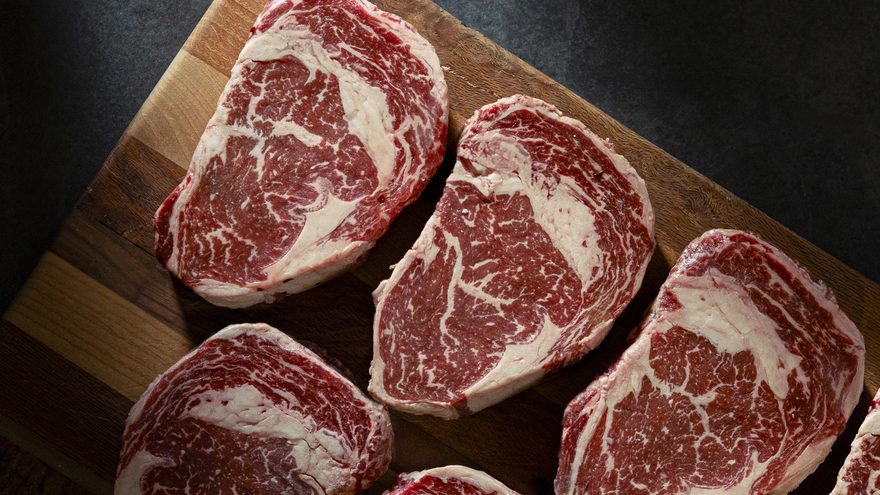
The strongest opening frame puts the viewer into an emotional state — hunger, occasion, belonging — before introducing the product. "It's Friday night and the grill is on" is a stronger opening than a product shot. Get the buyer into the feeling first. The product is the answer to the question the craving creates.
The best F&B Meta ads aren't about the brand — they're about a recognizable moment in the buyer's life where your product plays a role. Not "here's our premium ribeye." But "here's your Friday night." The viewer sees themselves in the scene and connects the product to that version of their life. Brand-centric ads ask for attention. Buyer-centric ads earn it.
The variable with the highest performance variance on Meta creative is the opening hook — not the color grade, not the CTA copy, not the visual treatment. Before you test two entirely different creative concepts, test three different opening hooks against the same underlying creative. You'll learn more, faster, at lower cost. Most brands skip this and waste budget on the wrong tests.
The most common F&B creative mistake on Meta is trying to make one ad say everything. Taste + value + convenience + quality in 15 seconds. Buyers don't process four arguments in the feed. Pick the motivator your research surfaced for this specific segment — the one they actually buy from — and make the entire ad about that. Run separate creative for the other motivators. The brief is the discipline.
After buyer interviews surfaced the real purchase occasion, we rebuilt the Meta audience from scratch. The new targeting wasn't about demographics — it was about the specific moment in the week when buyers were in market. CPA dropped 52% in the first 60 days.
Every Schaefer Meta engagement is run against a published framework. You can read the research behind our approach before we talk — and hold us to it during the engagement.
The three stages every F&B buyer moves through before purchase — and the specific creative job at each one. The architecture every Schaefer Meta campaign is built on.
Read the Framework → Growth Strategy · Part 1Identifies the single buyer segment whose conversion unlocks growth across all others. Before we allocate a dollar of Meta budget, we know which segment we're concentrating against — and why.
Read the Framework → Creative Strategy · Part 3Platform algorithms have made demographic targeting a commodity. The variable that separates F&B brands that grow from brands that stall is the creative itself.
Read the Framework → Creative Strategy · Part 2Scales the creative brief across every buyer segment. Each segment gets messaging built for their specific motivator tier — not a diluted version of a single campaign.
Read the Framework → Creative Strategy · Part 4How to diagnose creative fatigue before it kills performance — and the rotation system for maintaining results without rebuilding from scratch every cycle.
Read the Framework → Growth Strategy · Part 3Why optimizing for Meta ROAS often kills growth — and how F&B brands should think about reach, spend, and returns at different stages of scale.
Read the Framework →The best Meta results come from research that informs the audience, and creative that actually converts. Both are Schaefer services — and both can be run alongside your Meta management.