Schaefer — Editorial · Brand Strategy · By Sidnee Schaefer

Brand Reality Check:
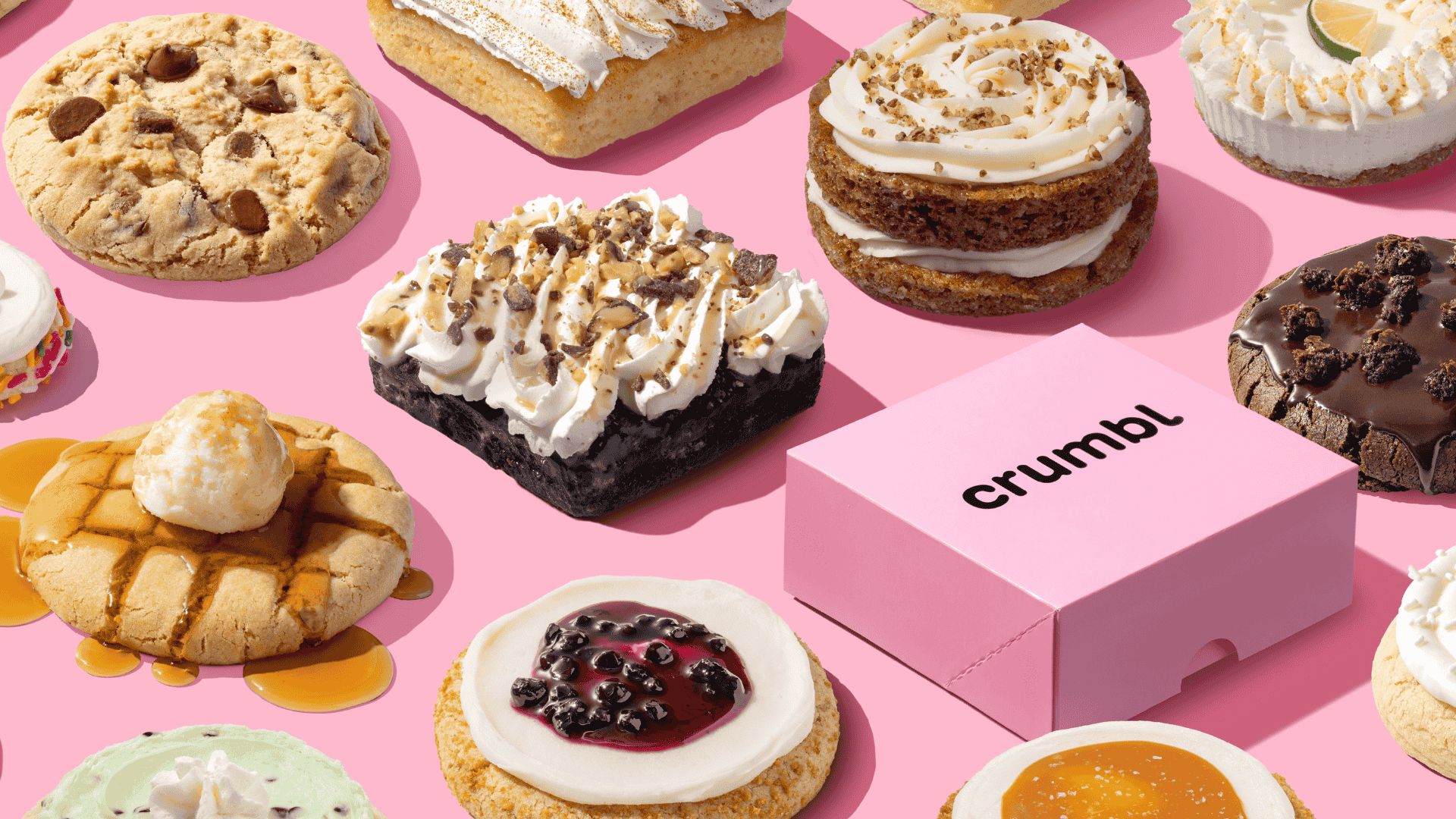
Crumbl has 200+ flavors.
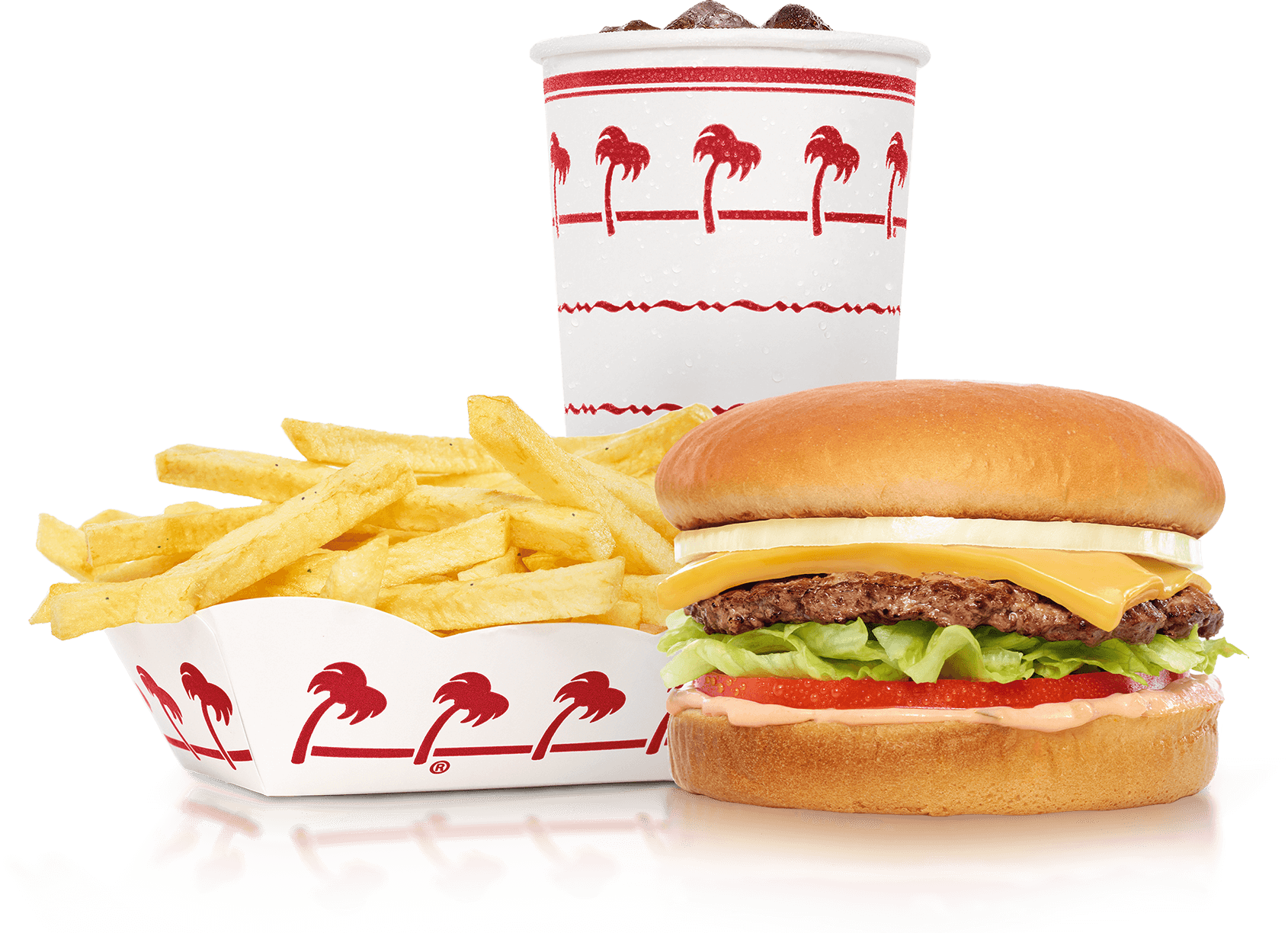
In-N-Out has 4 menu items.

That's not a contradiction. It's a lesson most brands miss — annotated through Why People Buy, the Marketing Efficiency Paradox, and the Segmentation principle that two opposite strategies can both win when the system supports them.
Brand Strategy Why People Buy Demand Systems QSR
Originally posted by Sidnee Schaefer on LinkedIn

Crumbl has 200+ flavors in rotation. In-N-Out Burger has 4 menu items.

That's not a contradiction. It's a lesson most brands miss.

Let's do a Brand Reality Check.

Brand Reality Check = how demand is created, sustained, and stressed.

The numbers tell the story:

  • Crumbl: 1,000+ locations, ~$1B+ in sales, rotating weekly menu
  • In-N-Out: 400+ locations, ~$2B+ in sales, same menu since 1948

They're not doing the same thing. They're solving different demand problems.

Why People Buy — Two demand engines
Crumbl is a Tier 2 demand engine — Emotional Value through novelty, scarcity, and social currency. In-N-Out is a Tier 1 demand engine — Basic Needs through sensory ritual and consistency. The numbers prove both work. They're not competing strategies. They're different WPB tier executions, each internally consistent.
Brand Reality Check — In-N-Out 4-item menu vs. Crumbl weekly rotation calendar
Segmentation 101 — Different buyers
The image makes the segmentation argument visually. The In-N-Out buyer and the Crumbl buyer are not the same person in the same motivational state. They could be the same human — one on Tuesday wanting reliability, one on Sunday wanting novelty. Different occasion, different motivator, different demand engine. Real segmentation is motivational, not demographic.

Crumbl's engine:

  • Novelty. "What's new this week?"
  • Scarcity. That cookie might disappear forever.
  • Social currency. TikTok drops every Sunday.
  • Repeat visitation. You come back because the menu changed.

People line up because the menu changes.

Why People Buy — Tier 2: Novelty + Scarcity
Every bullet is a distinct Tier 2 driver — Emotional Value: novelty (what's new), scarcity (disappears forever), social currency (TikTok drop is a cultural event), and discovery (repeat visitation for the reveal). Crumbl's demand engine requires constant production of new emotional triggers. That's expensive to operate — but Courtney's comment names the key insight: the rotation is curated, not unlimited. You never face all 200 at once.

In-N-Out's engine:

  • Consistency. Your burger tastes exactly like it did last year.
  • Trust. Fresh, never frozen, every time.
  • Ritual. It's muscle memory at this point.
  • Decision relief. Four items. No thinking required.

People line up because the menu never changes.

Why People Buy — Tier 1: Ritual + Reliability
Each bullet is a Tier 1 driver — Basic Needs: sensory consistency (same taste every year), product trust (never frozen), ritual (muscle memory), and cognitive relief (no decision). In-N-Out's demand engine requires zero new creative triggers. Every consistent delivery compounds the existing craving. Tier 1 demand is cheap to sustain. It just requires refusing to dilute it.

Here's the mistake brands make:

They copy Crumbl's rotation without Crumbl's content velocity, social reach, or operational tolerance for chaos.

Or they copy In-N-Out's simplicity without having earned obsession first.

"
Lines don't validate strategy. They validate alignment.
The post · The most important sentence in the piece

Alignment between: brand promise → operating model → customer expectation.

Audience Assumption Test — The system question
"Do I have the system to support it?" is the Audience Assumption Test applied to strategy adoption. Brands that copy Crumbl's rotation fail Q3 — they haven't built the content infrastructure, social flywheel, or operational chaos tolerance that makes the rotation work. Brands that copy In-N-Out's simplicity fail Q1 — they haven't validated whether their buyers have the Tier 1 craving that makes simplicity a feature rather than a limitation.

Crumbl isn't wrong. In-N-Out isn't right.

They're proof that focus can look like either discipline or chaos, depending on whether the system supports it.

"
Most brands fail because they mix the two.
The post · The failure diagnosis in five words

Before you copy a strategy, ask: do I have the system to support it?

Marketing Efficiency Paradox — System alignment
Mixing the two is the MEP failure mode. A brand that runs Crumbl-style novelty without the content infrastructure gets operational chaos without the social flywheel. A brand that runs In-N-Out-style simplicity without the earned craving gets a boring menu without the loyalty. Both paths require a system that was built specifically for that demand engine. You can't borrow the outcome without building the infrastructure.

Comments — what the market noticed

S
Seth Waite
Partner @ Schaefer · Why People Buy Food & Beverage
"See this all the time that brands are copying someone else's playbook without having that brands assets (goodwill, momentum, motivations, etc.). It doesn't work if you aren't starting with the same strengths."
Sd
Sidnee Schaefer — Author
Founder & CEO @ Schaefer · Growth for Food and Beverage
"100%. Copying strategy without copying the underlying assets is usually where things fall apart. Same move, very different outcomes."
Challenger Playbook — Assets before strategy
Seth names the exact failure mode the Challenger Playbook warns about: you can identify the right weakness and run the right archetype, but if you don't have the underlying assets — distribution, content velocity, operational tolerance, earned craving — the strategy produces a different outcome than it did for the brand you're copying. The Kingpin principle applies: own your starting position before you run someone else's cascade.
C
Courtney O'Brien
Scaling Beverage Brands Under Commercial Pressure · Ex-Coca-Cola
"I would also add that while Crumbl might have a million flavors, there are only a few at one time. CURATION is huge. People shut down when there's too much choice and buy far less, or nothing."
WPB Tier 2 — The curation unlock
Courtney adds the most important operational detail in the whole thread: Crumbl's 200+ flavors are sequential, not simultaneous. You never face all 200 at once — you face 6. The novelty demand engine only works because the curation prevents choice paralysis. Brands that copy the "lots of SKUs" part without the "but only a few at once" part get the chaos without the FOMO. The scarcity is the product. The rotation is the delivery mechanism.
See. Want. Trust. — The system alignment test
Both comments point at the same SWT insight: Want without system is noise. Crumbl's Want is generated by TikTok content drops and scarcity. That system requires a content team, a social flywheel, and weekly operational resets. Copy the Want signal without the system and you generate interest that the operation can't fulfill. In-N-Out's Trust is generated by decades of consistent delivery. Copy the simplicity without the earned Trust and you just have a short menu.

Framework applied

Why People Buy Pyramid
Crumbl vs. In-N-Out — Tier 2 vs. Tier 1 demand engines
Crumbl — Tier 2: Emotional Value
Novelty, scarcity, social currency, discovery
Demand is generated by the emotional trigger of newness. The buyer comes back because the menu changed, not because they need a cookie. This engine requires continuous new stimuli to sustain itself — hence the 200+ flavor pipeline and the TikTok content machine.
The operational requirement
Content velocity, social reach, weekly SKU execution, scarcity management. Without these, the novelty engine stalls. Six curated flavors at a time keeps the choice manageable. 200 at once would create paralysis.
In-N-Out — Tier 1: Basic Needs
Consistency, trust, ritual, decision relief
Demand is generated by the reliability of the known experience. The buyer comes back because the menu never changed, and they know exactly what they're getting. This engine requires zero new stimuli — it compounds on itself with every consistent delivery.
The operational requirement
Never frozen beef, in-store cut potatoes, real ice cream — every time, every location. The quality is only sustainable because there are four things to get right. Simplicity is what makes perfection possible.
Both engines work. Neither is transferable without its system. The question for every brand isn't "which strategy is better?" It's "which demand engine does my operation actually support?"
The failure pattern
What happens when brands mix the two engines
Copy Crumbl without the system
Rotation without velocity
Launch rotating SKUs without a content team or social flywheel. The novelty doesn't generate FOMO because nobody knows about it. Operations get complicated. Quality drops. The LTO becomes a burden, not an engine. End result: more SKUs, lower quality, no demand lift.
Copy In-N-Out without the obsession
Simplicity without ritual
Cut the menu to four items before buyers have a deeply ingrained craving for any of them. The simplicity reads as limitation, not confidence. No lines form at 2:30pm because no one dreams about coming back. End result: fewer options and no loyalty to compensate for the reduced variety.
Lines don't validate strategy. They validate alignment. The line is evidence of a system working — not a goal that a different strategy will achieve.

The Schaefer lens

What the Crumbl vs. In-N-Out comparison teaches every F&B brand about demand systems.

The post's core insight isn't about menus. It's about the relationship between a demand strategy and the operational system required to execute it. Most brands copy the visible output — the rotation, the simplicity — without building the invisible infrastructure that makes it work.

The system question

What demand engine does your operation actually support?

Before choosing between novelty and ritual, map the operational requirements of each. Crumbl's engine requires content infrastructure. In-N-Out's engine requires earned craving. Which of those do you have?

The Courtney insight

Curation and variety are not the same thing.

Crumbl's 200 flavors are a pipeline, not a simultaneous menu. The buyer faces 6. That's curation creating scarcity. Brands that add variety without curation get complexity without FOMO — the worst of both engines.

The WPB read

Identify which tier your buyers are actually in before choosing an engine.

Why People Buy research tells you whether your buyers are motivated by novelty (Tier 2) or ritual (Tier 1). That answer determines which demand engine to build — and which operational infrastructure to invest in. Most brands guess. The research makes it a fact.

The Schaefer read: The Crumbl vs. In-N-Out comparison is the Why People Buy pyramid made into a business model competition — and both win. The practical lesson: run the WPB research before you decide which engine to build. If your buyers are motivated by novelty, build the content infrastructure before you launch the rotation. If your buyers are motivated by ritual, earn the craving before you cut the menu. Strategy without the underlying buyer motivation data is just pattern matching on someone else's outcome.