The Challenge
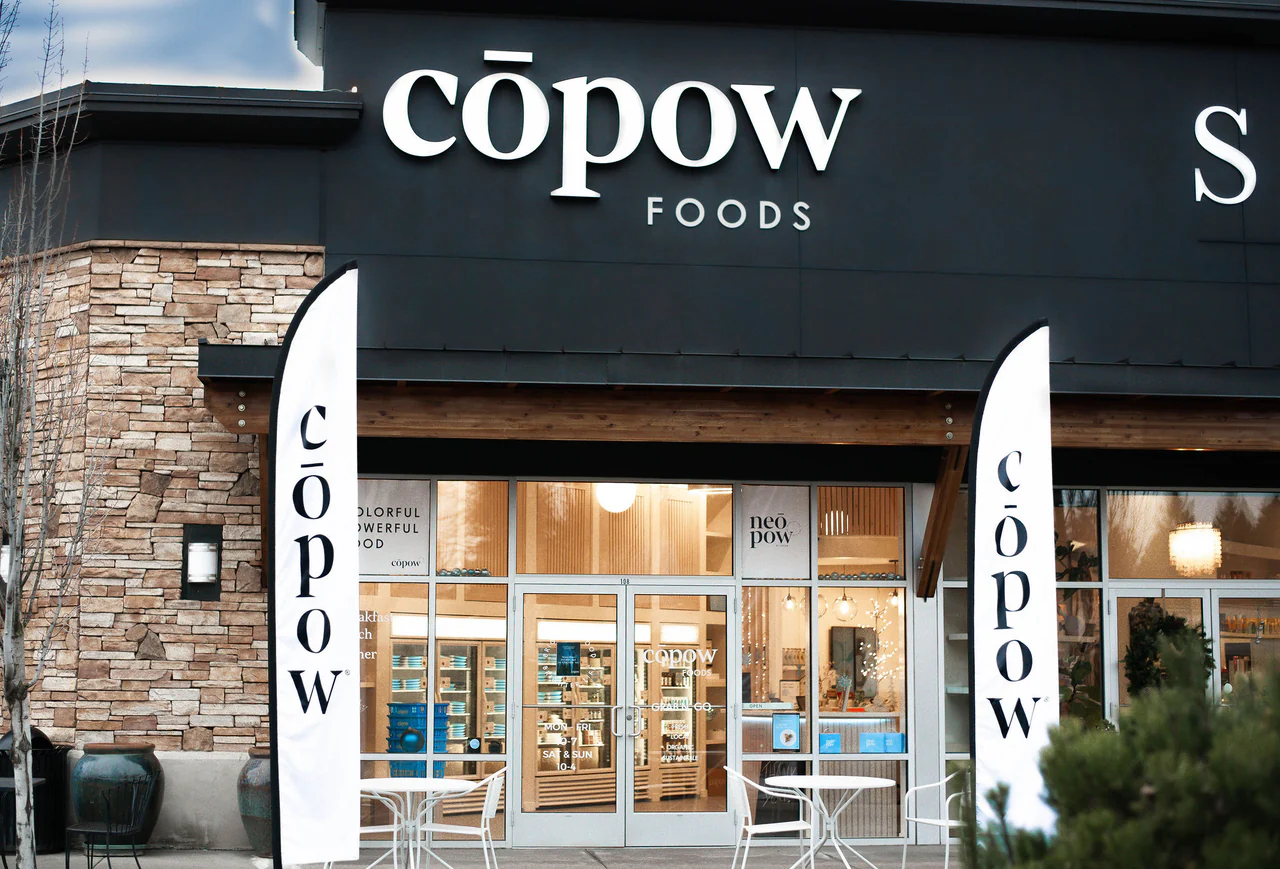
Cōpow Foods was building something genuinely different: a regional food system that connects local, organic, regenerative farmers directly to consumers — with the convenience of modern retail. They had already opened in Coeur d'Alene. A multi-city expansion was on the roadmap.
Before committing capital to new locations, the Cōpow team needed more than market size data. They needed to understand exactly who their buyer was, what truly motivated that person to choose local organic food over conventional alternatives, and — critically — where those buyers were concentrated. Location decisions built on intuition are expensive mistakes.
The conventional wisdom said price was the barrier. Organic food is expensive. If that's true, the business model has a ceiling. Cōpow suspected the real answer was something else — and needed research at a scale that would hold up to scrutiny.

What truly drives the modern consumer to choose locally sourced organic food — and what makes them commit to it as a habit?
The Approach
We surveyed 7,105 real consumers across target markets — not a convenience sample, but a statistically meaningful population that let us draw conclusions with confidence. Every respondent was screened for relevance to Cōpow's buyer profile. At this scale, patterns don't lie.
We built 8 custom buyer segments and 31+ sub-segments from the survey data — each defined by distinct motivations, purchase triggers, friction points, and geographic patterns. This wasn't demographic slicing. These were behaviorally distinct groups with fundamentally different reasons for buying or not buying.
We built a proprietary algorithm that identified Cōpow's best potential customers by zip code — mapping segment density, purchase propensity, and access gaps across geographies. The output: a ranked list of the highest-opportunity markets for expansion, built on buyer data rather than population size or gut feel.
What the Research Unlocked
The research didn't just answer the question of why people buy local organic food. It gave Cōpow a proprietary asset — a zip-code-level map of their best customers across the country — that now powers every location decision they make.
A statistically meaningful sample that removed guesswork and built findings Cōpow could take to investors and board members with confidence.
A complete behaviorally-defined picture of who Cōpow's buyer is — and who they aren't. Each segment with its own motivation profile, friction map, and creative brief.
Every location on the roadmap ranked by the proprietary algorithm — buyer density, purchase propensity, and access gap by zip code. Research as infrastructure.
F&B Brands Only
The answer is almost never what you assume. We do the research that makes the difference — and we guarantee results or give money back.
Work With Us →